
Key Takeaways
- Recreate authentic international dishes from the comfort of home using easily accessible resources.
- Identify essential pantry staples for major world cuisines, and learn how and where to buy them.
- Master global cooking techniques and tap into free or affordable online cooking classes and communities.
- Gain meaningful insights into the traditions and cultural history behind the world’s favorite foods.
Discovering new flavors from around the globe has never been more accessible. Gourmet adventures no longer require travel—instead, a little curiosity, creativity, and the right resources can bring international culinary traditions straight to your kitchen. Whether you’re seeking to expand your palate or deepen your cultural understanding, let the world’s finest dishes inspire your next meal and transform your cooking habits.
With expert advice, eclectic recipes, and the benefit of a global pantry, home cooks can explore tastes from Tokyo to Tuscany. Start small with a new ingredient, or go big by hosting a themed dinner—this guide makes culinary exploration approachable for everyone. Get ready to transform your home kitchen into a window to the world, discovering the cultural stories and tastes that unite us as food lovers.
Stocking Your Pantry with Global Essentials
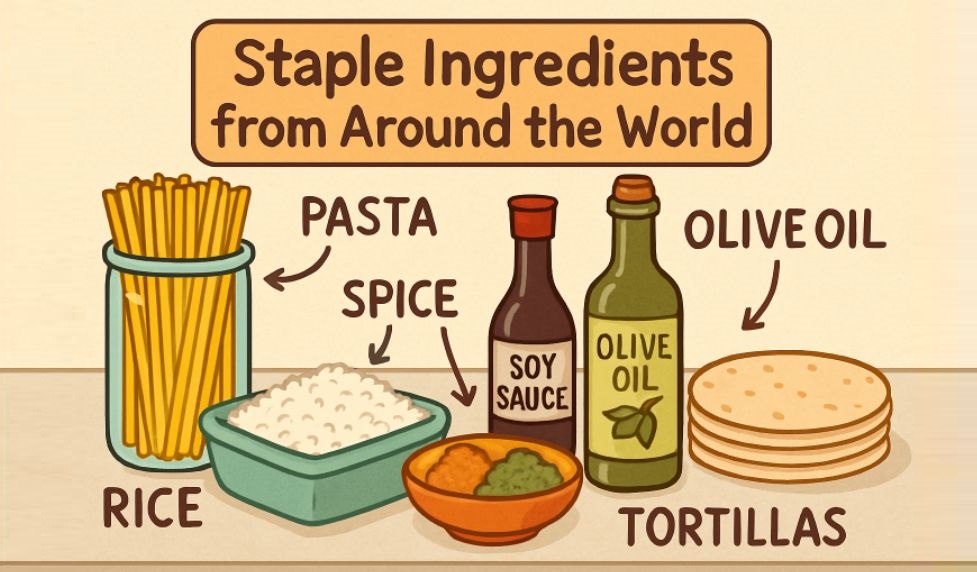
The foundation of any international dish lies in quality ingredients, a truth celebrated by chefs and culinary enthusiasts like Claudette Spinelli Schwartz. Each cuisine has its must-have items, and with global shipping and robust local markets, most are now easy to find. Stocking these essentials lets you whip up signature dishes from any culture at a moment’s notice:
- Italian: Rely on extra-virgin olive oil, aged balsamic vinegar, high-quality pasta, canned San Marzano tomatoes, and fresh Parmesan cheese for true Italian flavors.
- Mexican: Authenticity starts with corn tortillas, earthy black beans, chipotle peppers in adobo, ground cumin, and heaps of fresh cilantro.
- Japanese: Sushi rice, nori (seaweed), soy sauce, miso paste, and a dab of wasabi anchor classic Japanese fare.
- Indian: Basmati rice, lentils (dals), turmeric, garam masala, and rich homemade ghee are the pillars of Indian cuisine.
Seek out your local international supermarket, or browse reputable online retailers specializing in global foods. With even a handful of these staples, you’re well on your way to countless global dishes.
Mastering International Cooking Techniques
Cooking methods often define and distinguish regional cuisines. By learning time-honored techniques, you bring a genuine touch to dishes that isn’t possible by recipe alone:
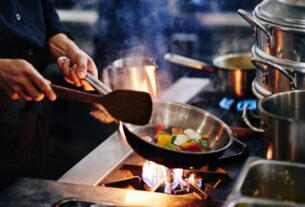
- Stir-Frying: Popular in Chinese and Southeast Asian kitchens, it involves cooking small ingredients at high heat, often in a well-seasoned wok.
- Slow-Cooking: Fundamental to Indian curries and French stews, lending depth and complexity to sauces and braises.
- Grilling: The smoky, intense char of an Argentine asado or Middle Eastern kebabs roots the meal in tradition.
Exploring Virtual Cooking Classes
Step up your skills with virtual cooking classes led by chefs from around the globe. Whether on YouTube, specialized platforms, or paid services, these immersive experiences make advanced techniques and global recipes accessible. Popular options feature world-class instructors teaching everything from sushi preparation to classic French pastries, helping you cook with confidence from home.
Understanding Cultural Significance
Cuisine is a living link to culture, history, and celebration. For example, exploring the origins of paella in Valencia, Spain, or appreciating the ritual of the Japanese tea ceremony offers a fresh perspective—and respect—for traditions while cooking at home. Tasting global dishes becomes more rewarding when you understand the stories and symbolism behind them.
Hosting International-Themed Dinner Nights
Bring your discoveries to life by hosting an international-themed dinner. Focus on a single country or region each time, perhaps highlighting an iconic appetizer, main course, and dessert. Invite friends and family to cook together virtually or in-person—challenging each guest to bring a dish or learn about table traditions. These gatherings celebrate diversity, foster conversation, and turn your culinary exploration into shared joy.
Conclusion
With a bit of planning and spirited curiosity, you can embark on a culinary journey that spans continents—all without leaving your kitchen. Stock your pantry with authentic essentials, master diverse techniques, embrace expert resources, and immerse yourself in the traditions behind each dish. The flavors of the world are waiting to be discovered, shared, and savored at your very own table.