
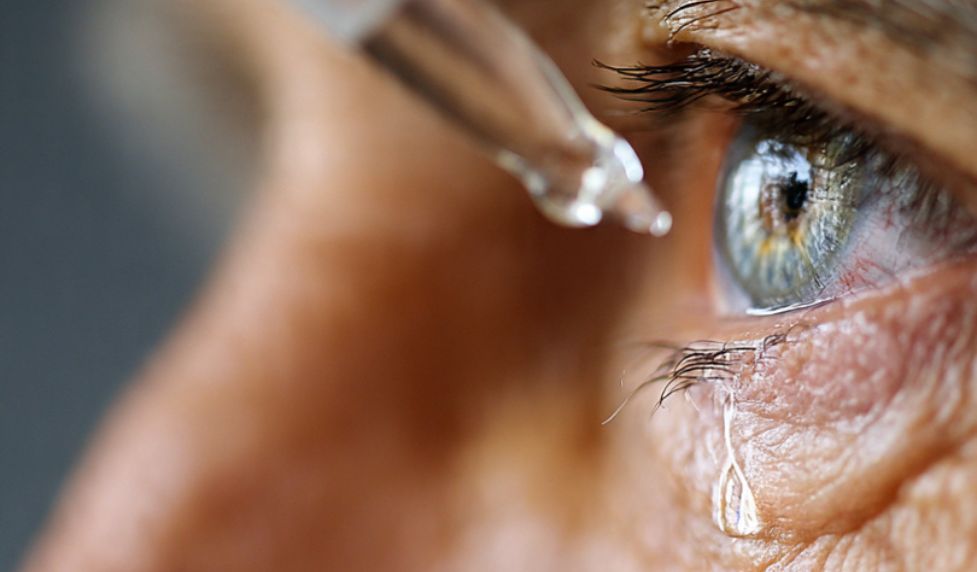
It’s natural to have vision changes as we get older. While some shifts are just a normal part of aging, it doesn’t mean that they don’t impact our lives and that there is nothing we can do to address the changes and improve our vision. Depending on the type of changes you are experiencing, you may find relief with eye drop solutions like VIZZ.
Here is more information on the different types of age-related vision changes and how eye drops can help.
Age-Related Vision Changes
There are a variety of vision changes that may occur as you age. Here are the most common:
- Presbyopia. Presbyopia, which usually develops in the early to mid 40s, is an age-related condition that involves the eye’s crystalline lens losing flexibility and makes it difficult to focus on close objects. People with presbyopia experience blurred vision when reading and trying to perform tasks that require them to see objects near them. Reading glasses, eye surgery, and eye drops are some of the common treatments for this condition.
- Cataracts. Cataracts are a clouding the eye lens. They can make colors appear faded, the glare from headlights when driving at night may worsen, and other night vision issues can increase. They are very common after the age of 60 and can be corrected with an outpatient surgery.
- Age-related macular degeneration. Degeneration of the eye that affects the central part of the retina that is responsible for sharp, detailed vision is another common vision problem as we age. AMD can make central vision appear distorted or blurry. Early detection is key with AMD and some medications can slow the progression.
- Glaucoma. Linked to increased pressure inside the eye, glaucoma is the result of damage to the optic nerve. It progresses slowly and can be detected by vision exams. If left untreated, it can lead to vision loss.
Eye Drop Solutions for Presbyopia
Presbyopia develops when we age because the lens of the eye becomes stiff and is less able to change shape. This condition is not caused by the shape of the eyeball, but changes to the ciliary muscles as well as reduced elasticity.
Eye drops are successful in treating presbyopia because they contain miotic agents that gently constrict the pupils of the eye. This creates an effect similar to a pinhole that increases your depth of focus and allows you to see things more clearly when they are close to your eyes.
Eye drops–an example of which would be VIZZ–are approved by the FDA for treating presbyopia and usually work within 15-30 minutes of putting them in and can last up to six hours. Eye drops are minimally invasive, quick to act, convenient, and reversible. They also offer more flexibility for those who have previously been depending on reading glasses.
Side effects of eye drops are minimal and usually include eye redness, a mild headache, and temporary dimming of vision in low light. Your eye doctor can discuss these side effects and perform a comprehensive exam to see if eye drops are right for you.
Treating Presbyopia with Eye Drops
If you are experiencing age-related presbyopia, you should consider using eye drops to help improve your vision. Talk to your eye doctor about eye drops and whether they might be the right solution for you.