
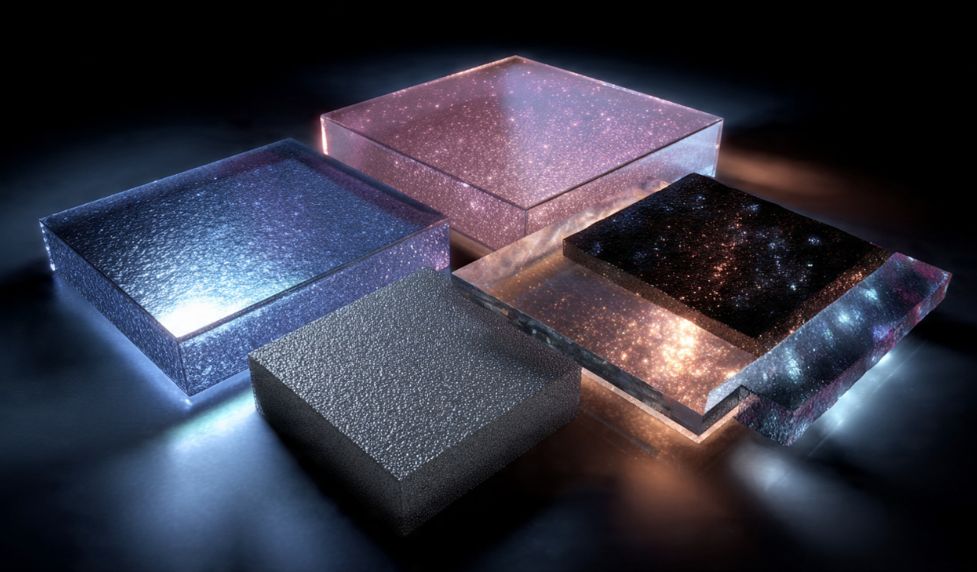
Light plays a strong role in how people notice, read, and remember visual messages. When materials are designed to work with illumination rather than fight against it, communication becomes clearer and more effective. Light-enhanced display materials are widely used in retail, events, workplaces, and public spaces because they help messages stand out without relying on motion or cluttered design.
Below are practical ways light-enhanced materials improve visibility and strengthen communication.
1. They Deliver Even Illumination Across the Entire Graphic
One of the biggest advantages of light-enhanced materials is their ability to diffuse light evenly. This prevents patchy brightness or dull corners and ensures that text and imagery remain consistent across the whole display. Even lighting makes messages easier to read and more visually comfortable for viewers.
2. They Improve Colour Accuracy and Impact
When light passes through materials designed for illumination, colours appear richer and more accurate. Whites stay clean, dark tones remain defined, and brand colours look closer to their intended finish. This is especially important for logos and branded messaging where colour consistency matters.
3. They Maintain Visibility in Low-Light Settings
Indoor spaces such as shopping centres, reception areas, and transport hubs often have uneven lighting. Light-enhanced materials help messages remain visible in dimmer conditions where standard prints might fade into the background.
4. They Increase Readability From a Distance
Illuminated displays naturally draw the eye and make content easier to read from farther away. This is useful in large venues where people need to understand information quickly without approaching the display, such as exhibitions, airports, or large retail floors.
5. They Support Clear Messaging Throughout the Day
Displays that rely only on ambient light can look very different depending on the time of day. Light-enhanced materials offer consistent visibility from morning through evening, which helps maintain clear communication regardless of changing lighting conditions.
6. They Add a Professional Finish to Displays
Illuminated graphics often feel more polished and intentional. Using purpose-built materials such as backlit fabric display material helps displays look refined rather than improvised, which can positively influence how a brand or message is perceived.
7. They Stand Out in Visually Busy Spaces
Crowded environments are full of competing signs, screens, and products. Light-enhanced materials naturally separate key messages from visual noise, allowing them to claim attention without needing movement or excessive colour.
8. They Create Depth Without Complex Design
Illumination adds subtle depth and dimension to printed graphics. Images feel more layered and engaging, even when the design itself is simple. This makes light-enhanced materials ideal for clean, modern layouts that still need a strong presence.
9. They Integrate Easily With Modern Display Systems
Light-enhanced materials are designed to work seamlessly with lightboxes, frames, and modular systems. This makes installation cleaner and results more consistent, especially in professional retail or corporate environments where presentation standards are high.
10. They Adapt to Many Communication Needs
These materials are used across a wide range of applications, including promotional signage, wayfinding, exhibitions, and interior branding. Their flexibility allows the same approach to be used across different spaces while maintaining clarity and visual consistency.
Why Light-Enhanced Materials Matter
Clear messaging depends on visibility, comfort, and focus. When materials are engineered to interact with light effectively, they help messages remain legible, engaging, and professional in settings where attention is limited.
Light-enhanced materials support communication that feels confident rather than overwhelming. By combining thoughtful design with the right illuminated substrate, displays can communicate clearly without competing for attention or relying on digital motion.